
Things to Do
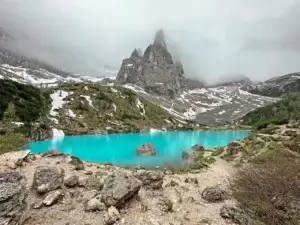


You arrive at Lake Misurina at eleven on a Saturday morning in August and think “they fooled me”. Packed parking lot, city families with backpacks photographing the lake, line for pedal boats. The classic mistake: believing that Misurina is just that kilometer of water reflecting the Tre Cime.
The truth is that Misurina works, but you need to know when and how to take it. I’ve seen people leave disappointed after half an hour around the lake, and others who stayed a week discovering that this piece of the Dolomites at 1,754 meters has much more to offer than the postcard. It depends on what you’re looking for and how willing you are to wake up early.
This guide isn’t the usual list of “10 must-see things”. I’ll explain what’s really worth doing here, what you can skip, and especially when to do it to avoid finding yourself in the middle of the crowd. Because Misurina can be one of the most beautiful places in the Dolomites or a tourist trap, and you make the difference.
When Misurina works (and when it’s better to stay elsewhere)
Let’s be clear: not all seasons are equal and not all times of day will give you the same experience. Summer is convenient – everything open, parking lots functioning, refuges accessible – but it’s also when Misurina shows its worst side: overcrowding, high prices, lines everywhere. If you come between July and mid-August, you must accept that you’ll share the lake with a few thousand people. It’s not necessarily bad, but you know how it is.
Autumn is the time I recommend to those who want to really understand these mountains. Late September, early October: the larches turn golden, the air gets cooler, and above all the tour buses almost completely disappear. The lake reflects the Dolomites with a different light, colder, and the trails empty out. The downside? Some refuges close early, and the weather can be unpredictable.
But it’s in winter that Misurina becomes another place. From December to March the lake freezes, only those who know why they’re here remain, and the location transforms. No more lines, no more confusion. Ski mountaineers leave at six in the morning toward Cristallo, some photographers chase the dawn, and the silence is broken only by the wind descending from Val Popena. If you’re looking for the most authentic experience, come when there’s snow. Of course, you need to be equipped and prepared, but that’s when you understand why certain people choose to live at 1,754 meters.
Spring is a limbo: too early for summer tourism, too late for skiing. But if you like walking without seeing anyone and wet trails don’t scare you, April and May have their charm. Be careful though, at altitude you can still find ice and snow, plus last-minute snowfalls: you’re in high mountains.
A practical tip: if you come in summer and want to enjoy Misurina without the crowds, you need to wake up early. At six in the morning the lake is deserted, the light is perfect, and you have a couple of hours before the first tour bus arrives. It also works at sunset, but less so – people stay late for photos.
Hikes that matter (and those you can skip)
The lake loop is what everyone does. About 2.6 kilometers, flat, 45 minutes walking slowly. It’s nice, but it’s not why you should come to Misurina. If you have little time and just want to say “I was there”, okay. But if you have a whole day, there are things that deserve much more.
The Bonacossa trail to the Cadini di Misurina is another story. Here you really walk: six hours round trip, 500 meters elevation gain, and you arrive among rock spires that look like they came from another planet. It’s not technically difficult, but you need to be trained and have the right equipment. If it rains, forget it – the downhill trail becomes slippery and it’s not worth the risk. When to go? From mid-June to late September, leaving early in the morning. It’s the kind of hike that makes you understand why the Dolomites are a UNESCO heritage site, not by hearsay but because you see it.
The Tre Cime di Lavaredo are the most famous destination, but from Misurina you can reach them on foot in a day only if you’re well trained (it’s three hours just to get there). The toll panoramic road takes you to Rifugio Auronzo (about forty euros per car), from there starts the Tre Cime loop which is spectacular but also very crowded. The question they always ask me: sunrise or sunset better? Answer: sunrise, without doubt. At sunset there’s a line to take photos. At sunrise you’re practically alone, the light is more dramatic, and you experience the moment instead of documenting it. Leave Misurina at five-thirty, arrive at the refuge by six, and you have the Tre Cime to yourself for a good hour.
Rifugio Col de Varda is reachable by chairlift or on foot via trail 120. Free parking at the chairlift start, that’s already a plus. In about an hour and a half you reach the refuge at 2,106 meters, from there you can continue toward Rifugio Città di Carpi or go back down. It’s a medium hike, nothing extreme, but the views of Sorapiss and the Marmarole are remarkable. If you have small children or unfit people in the group, use the chairlift. Otherwise climb on foot and save the ticket.
Then there’s Monte Piana. Here you don’t come just to walk. Open-air museum of the Great War, trenches, positions, galleries carved into rock. About 14,000 deaths on this mountain between ’15 and ’17, and when you walk among the fortifications you understand how absurd it was to fight at 2,300 meters. There’s a shuttle that goes up from June to November, 15 euros round trip, then you walk for a couple of hours among the remains. It’s not a difficult hike, but it’s intense. If you’re interested in history more than just scenery, Monte Piana is probably the most interesting thing you can do from Misurina.
What can you skip? Lake Antorno, honestly. Nice, but if you have little time and have already seen Misurina, it doesn’t add much. It’s two kilometers away, you reach it in ten minutes by car, but it’s smaller and less spectacular. It’s fine if you have children and want a quiet spot for a picnic, otherwise you can skip it. I go there often, it’s still a treat and it’s less crowded than Misurina.
Misurina in winter: skiing, silence and frozen lake
In winter Misurina changes completely. The Auronzo-Misurina ski area has 25 kilometers of slopes, nothing special compared to large resorts, but perfect for families and beginners. The slopes are wide, not crowded, and the fact that they’re almost all for beginners is an advantage if you have children learning. Don’t come here if you’re looking for black slopes and adrenaline, but if you want to ski without the chaos of Cortina, it works.
Cross-country skiing is something else. The routes around the lake are well groomed and offer views that alone are worth the effort. If you’ve never tried it, this is a good place to start – the tracks are relatively easy and not too long. Equipment rental available in town.
Walking on the frozen lake is surreal. When it freezes enough – usually from mid-January – you can walk on it. There’s no longer the reflection of the mountains, just a perfectly smooth white expanse. Total silence. You walk where in summer there were pedal boats, and you only hear the sound of snow under your boots. It’s not a technical activity, you don’t need special equipment, but it’s an experience you won’t forget. You just need to be sure the ice is thick enough – always ask locals before venturing out.
Snowshoeing opens up the territory. The trails that in summer are hikes become winter itineraries with snowshoes. It’s tiring but not technical, and it allows you to reach places that with skis you couldn’t access. Equipment rental in Misurina or Auronzo, but if you’ve never done it, consider taking a guide the first time.
What guides don’t tell you (and you should know)
The therapeutic microclimate is real. It’s not marketing. The air here is different, measurably cleaner and lighter. That’s why there’s the Pio XII Institute treating childhood respiratory diseases. Many who come here for a weekend then return every year, and it’s not just for the scenery. After three days in Misurina you breathe differently, sleep better, wake up more rested. It’s not a feeling, it’s physiology.
Monte Piana and the Great War: I already mentioned it, but it’s worth insisting. Walking among those trenches makes you understand how absurd that war was. Soldiers dying of cold even before bullets, positions carved into rock at 2,300 meters, battles fought in impossible conditions. There are still projectiles, remains of barracks, galleries you can cross. If you want to understand what it means to fight in the mountains, you must go. And do it with a guide if you can – the stories of locals give meaning to what you see.
Food and tradition: this is a gap I find absurd. Everyone talks about hikes, no one tells you where to really eat well. Tourist restaurants around the lake serve the bare minimum… If you want real Dolomites dishes – well-made canederli, locally smoked speck, malga cheeses – you need to move to Auronzo or go up to the refuges. Rifugio Col de Varda has decent cuisine and the view pays for the ticket. But if you want a more authentic experience, go down to Auronzo di Cadore or Cortina and look for trattorias where locals eat. I don’t give names because they change, but you immediately notice from the clientele: if you only see tourists with technical backpacks, it’s probably a tourist spot. If you see workers and local elderly at lunch, you’ve found the right place.
How to move without a car: yes, you can. In summer there are Dolomitibus shuttles connecting Cortina and Misurina with regular runs. It works well, you save parking (which in summer is paid everywhere except at the Col de Varda chairlift), and you don’t have to stress about finding a spot. If you want to be even more sustainable, rent an e-bike in Auronzo and pedal up. It’s 12 kilometers from Cortina, doable even if you’re not a professional cyclist. The only hassle is that with public transport you’re bound to schedules, so plan well.
Parking and logistics: this is a topic no one addresses honestly. In summer the parking lots around the lake are paid and fill up early. If you arrive after 10, good luck. Alternatives: park at the Col de Varda chairlift (free) and walk down to the lake in 15 minutes. Or use Auronzo parking lots and take the shuttle. In winter the problem doesn’t exist, you always find space.
If you come with children (but without illusions)
Misurina is sold as a family-friendly destination, and partly it is. But we need to be realistic: not everything here is suitable for small children, and if you think about bringing a stroller on mountain trails, think again.
The lake loop works with children over 4-5 years old who walk on their own. It’s flat and safe, there are benches to stop, and there are no particular dangers. But it’s also boring for a child: 45 minutes of walking without particular stimuli. Bring something to entertain them – binoculars to observe birds, a lake map, observation games. Otherwise after ten minutes they start complaining.
The Butterfly Garden in the Somadida Nature Reserve is perfect for children. 300 meters from the entrance there’s the visitor center, then an easy and educational path through meadows and woods where you can observe butterflies and insects. Children have fun, learn something, and you don’t have to worry about exposed trails or challenging elevation gains. From mid-June to late August is the best time.
For longer hikes, honestly, evaluate carefully. The Bonacossa trail is not for children under 10-12 years old, unless they’re very trained and used to mountains. The Tre Cime are doable with older children, but prepare for long times and frequent breaks. Monte Piana is interesting even for older kids, but only if they’re sensitive to the historical theme – otherwise they’ll just see “old rocks”.
Safety: mountains don’t forgive superficiality. Even on an easy trail, you need adequate clothing, water, sun protection, and a minimum of preparation. Weather changes quickly, temperatures drop with altitude, and a tired or scared child is a serious problem. If you don’t have mountain experience with children, start with short and safe routes. Don’t improvise.
Where to sleep with children? Look for structures in Auronzo or Misurina that have dedicated services: children’s menus, play areas, family rooms. Many hotels have updated their offerings in recent years. Booking in advance is essential – in Misurina there are few beds and in high season they fill up quickly.
How I organize Misurina based on the time you have
Just one day: Lake loop early in the morning (before 9), then choose: either go up to the Tre Cime by car and do at least part of the loop, or go to Monte Piana if you’re interested in history. Don’t try to do everything, you don’t have time. Packed lunch, return before sunset.
A weekend: First day challenging hike (Cadini or complete Tre Cime). Second day more relaxed: Col de Varda, Lake Antorno, lake loop at sunset. If it’s winter: one day of skiing or snowshoeing, one day on the frozen lake and relaxation.
A week: Here you can afford to really explore. Alternate challenging hikes with rest days. Visit Monte Piana, go down to Auronzo for markets, have at least one serious dinner at a refuge, allow yourself a slow day without plans. If you’re in winter, mix skiing, snowshoeing, and moments of pure dolce far niente.
Where to sleep: In Misurina you have limited choice and fairly high prices. If you want to save or have more options, look at Auronzo (10 minutes by car) or Cortina (20 minutes, but more chaotic and expensive). The middle way is to sleep in Auronzo and visit Misurina during the day.
When to book: In summer, at least 3-4 months in advance if you want to stay near the lake. In winter a bit less, but always in advance. Last minute in Misurina practically doesn’t exist in high season.
The truth is that Misurina works if you accept slowing down. It’s not a place to check off lists of things to do, it’s a place to be. It takes a mindset change: fewer photos, more observation. Less hurry, more presence. If you arrive with the right attitude, you understand why certain people choose to live here. If you arrive just for the postcard, you’ll probably be disappointed.
After twenty years I still find new things here. But only because I learned to look.


